
Painless and Quick Recovery Joint Replacement in Jaipur
Enhanced Recovery Protocols by Dr. Hemendra Agrawal

Dr. Hemendra Agrawal
MBBS, MS (Orthopedics) · Senior Orthopedic Consultant, Narayana Hospital
Overview
What is Painless & Quick Recovery Joint Replacement?
Painless and Quick Recovery Joint Replacement represents the evolution of modern orthopedic surgery, combining advanced multimodal pain management, minimally invasive surgical techniques, Enhanced Recovery After Surgery (ERAS) protocols, and patient-specific optimization to deliver a dramatically improved surgical experience. Under Dr. Hemendra Agrawal's care, patients undergo joint replacement with minimal pain, faster mobilization, shorter hospital stays, and a significantly quicker return to their normal lives.
The fear of post-operative pain is the number one concern that prevents patients from pursuing joint replacement surgery. Dr. Agrawal's painless joint replacement protocol addresses this fear head-on with a comprehensive pain management strategy that begins before surgery, continues throughout the procedure, and extends well into the recovery period. This multimodal approach targets pain through multiple pathways simultaneously, reducing or eliminating the need for strong opioid medications and their associated side effects.
Quick recovery is achieved through a combination of factors: pre-operative optimization (prehabilitation), minimally invasive muscle-sparing surgical techniques, computer-navigated and robotic-assisted precision, periarticular cocktail injection (local anesthetic mixture injected around the joint during surgery), advanced regional nerve blocks, early mobilization protocols, and a structured rehabilitation program that begins within hours of surgery.
The result is transformative: many patients walk within 6 hours of surgery, experience minimal discomfort throughout their recovery, are discharged within 24-48 hours, and return to daily activities weeks earlier than with traditional approaches. Dr. Agrawal's ERAS program has been refined over thousands of cases to deliver consistent, predictable, and outstanding results for every patient.
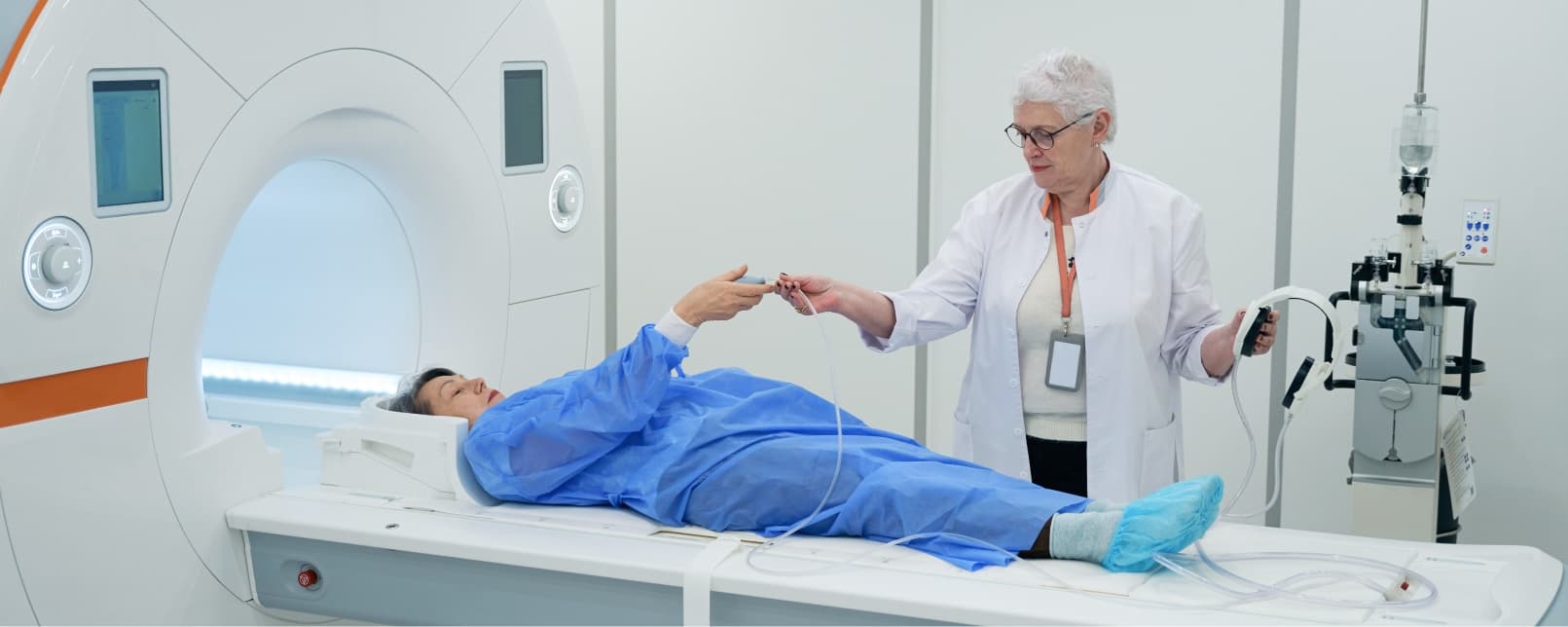
Precise diagnosis using advanced imaging & evaluation
20,000+
Successful Surgeries
When It's Needed
Conditions & Indications
When is this procedure recommended? These are the conditions where Painless and Quick Recovery Joint Replacement typically offers the best outcome.
Experiencing these symptoms?
An accurate diagnosis is the first step. Get an expert evaluation from Dr. Hemendra Agrawal.
Book a ConsultationAll conditions requiring total knee replacement, osteoarthritis, rheumatoid arthritis, post-traumatic arthritis
All conditions requiring total hip replacement, osteoarthritis, AVN, inflammatory arthritis, fractures
Partial (unicompartmental) knee replacement candidates
Shoulder replacement candidates: anatomic or reverse TSA
Bilateral (both joint) replacement candidates: simultaneous or staged procedures
Patients who have been delaying surgery due to fear of pain and prolonged recovery
Active patients and working professionals who need the fastest possible recovery
Elderly patients who benefit from rapid mobilization to prevent post-operative complications (pneumonia, DVT, deconditioning)
Step by Step
How Does Painless & Quick Recovery Work?
A detailed walkthrough of the surgical process
Step 01 / 06
Phase 1: Pre-Operative Optimization (2-4 Weeks Before Surgery)
Prehabilitation program: targeted exercises to strengthen muscles around the joint, improve cardiovascular fitness, and practice post-operative exercises. Nutritional optimization: protein-rich diet, iron supplementation if anemic, vitamin D correction. Medical optimization: blood sugar control for diabetics, blood pressure management, cessation of smoking. Patient education: detailed surgical explanation, expectation setting, anxiety management, and home preparation for return.
Step 02 / 06
Phase 2: Pre-Operative Pain Prevention (Day of Surgery)
Multimodal pre-emptive analgesia: oral medications given 2 hours before surgery to prepare pain pathways: acetaminophen (1000 mg), celecoxib (200 mg), gabapentin (300 mg), and dexamethasone (8 mg IV) for inflammation prevention and anti-nausea. This pre-emptive approach prevents pain signals from being amplified in the central nervous system (preventing central sensitization).
Step 03 / 06
Phase 3: Intra-Operative Pain Management
Regional anesthesia: spinal anesthesia provides complete surgical pain block. Adductor canal block (for knee) or fascia iliaca block (for hip), targeted nerve block providing 12-24 hours of pain relief in the operated limb without affecting muscle strength, allowing early walking. Periarticular cocktail injection: a mixture of local anesthetic (ropivacaine), ketorolac, epinephrine, and corticosteroid injected around the joint capsule, providing additional pain relief lasting 24-48 hours.
Step 04 / 06
Phase 4: Post-Operative Multimodal Analgesia
Round-the-clock scheduled pain medications: regular acetaminophen (every 6 hours), scheduled NSAIDs, and low-dose tramadol if needed. Ice therapy (cryotherapy) applied continuously for the first 48 hours. No routine use of strong opioids (morphine, fentanyl), dramatically reducing side effects like nausea, constipation, drowsiness, and confusion that slow recovery.
Step 05 / 06
Phase 5: Early Mobilization Protocol
Standing and walking within 4-6 hours of surgery (same day mobilization). Physiotherapy twice daily from day 1. Progressive walking distance: 50 meters on day 1, 100-200 meters by day 2, stair climbing by day 2-3. Discharge criteria-based (not time-based) hospital stay, patients are discharged when they meet functional milestones, typically within 24-48 hours for knee/hip replacement.
Step 06 / 06
Phase 6: Rapid Home Recovery Program
Structured home exercise program with daily frequency guide. Telehealth physiotherapy check-ins for the first 2 weeks. Progressive activity milestones: walking aids discarded by week 3-4, driving by week 3-6 (depending on joint and side), return to desk work by week 3-4, full activity by month 2-3. Regular outpatient follow-up at 2 weeks, 6 weeks, 3 months, and 6 months.
Facilities & Care
Advanced Surgery & Personalized Care
From a state-of-the-art operation theatre to attentive post-operative recovery: you're in expert hands at every step.
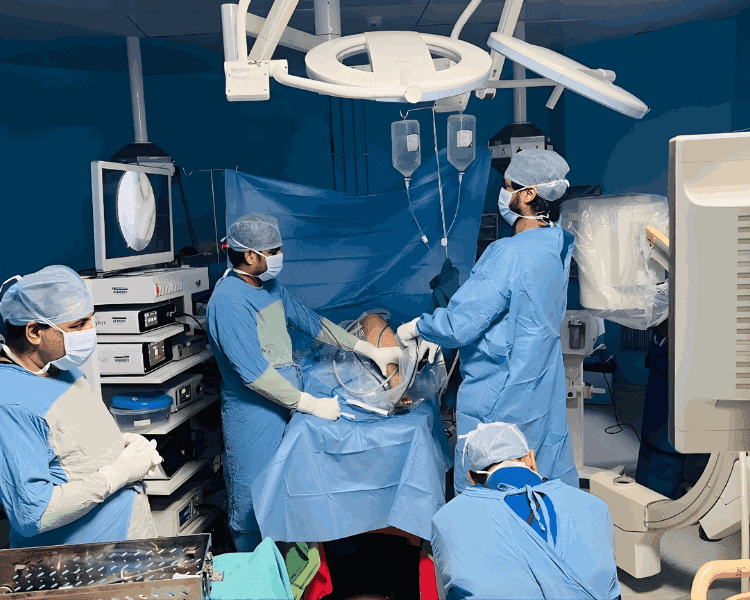
Modern Operation Theatre
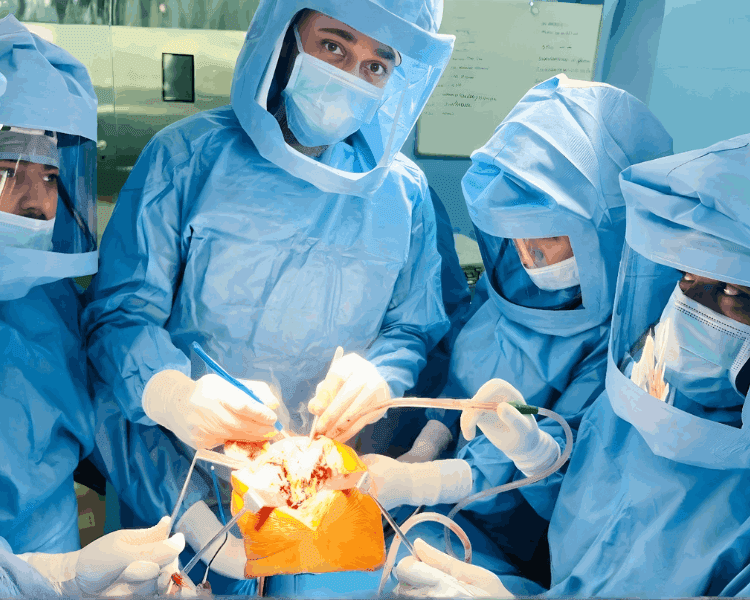
Precision Surgery in Progress
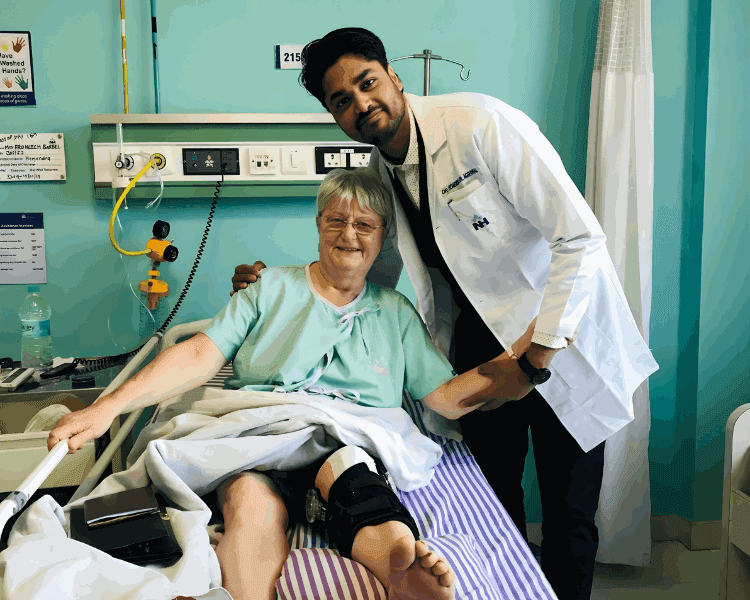
Attentive Post-Operative Care
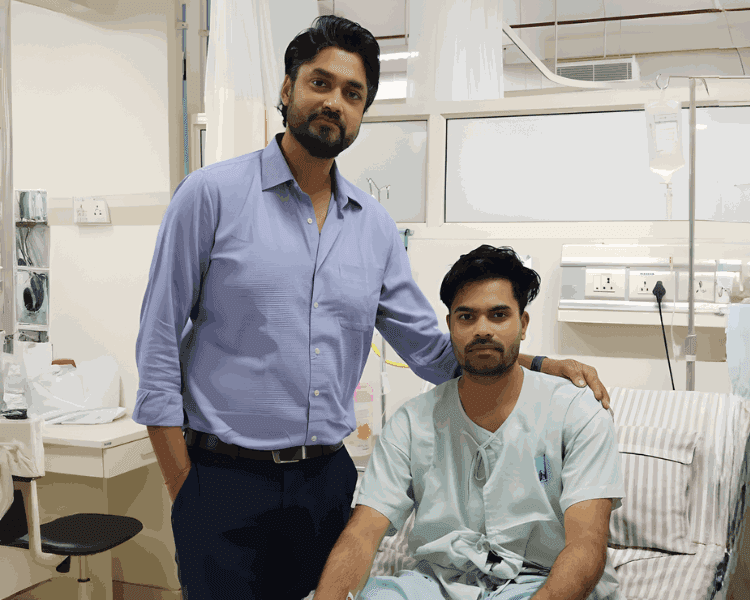
Personalized Patient Support
The Outcome
Key Benefits
How this procedure transforms your life
Minimal to no pain: patients rate post-operative pain 2-3 out of 10 compared to 6-8 with traditional approaches
Same-day walking: 90% of patients walk within 6 hours of surgery
Shorter hospital stay: 24-48 hours vs. traditional 5-7 days for joint replacement
Opioid-free or minimal opioid recovery: avoiding nausea, constipation, drowsiness, and addiction risk
Faster return to daily activities: 2-3 weeks vs. traditional 6-8 weeks
Lower complication rates: early mobilization reduces risk of blood clots, pneumonia, and urinary infections
Reduced blood loss: perioperative blood management protocols minimize need for transfusion
Better patient satisfaction: consistently rated 95%+ satisfaction in patient surveys
Cost-effective: shorter hospital stays and faster recovery mean reduced overall treatment costs
Ideal for bilateral joint replacement: patients can undergo both joints in a single session with rapid recovery
Your Journey
Recovery Timeline
What to expect during your recovery journey, step by step
Same-Day Mobilization
Within hours of surgery, patients stand and take first steps with physiotherapist guidance. Nerve block provides excellent pain control while preserving leg muscle strength. Light meals encouraged. Ice therapy initiated.
Walking & Stairs
Walking 50-100 meters with walker. Bathroom independence. Stair climbing training. Range of motion exercises: targeting 70-80 degrees knee flexion. Discharge assessment begins.
Discharge Ready
Most patients meet discharge criteria: independent walking with walker, stair management, adequate pain control with oral medications, wound stable. Detailed home program provided.
Rapid Home Recovery
Walking distances increase daily. Transition from walker to cane by week 2. Light household activities. Daily exercise program 3 times per day. Telehealth physiotherapy support.
Independence Phase
Walking without aids. Driving resumed (after medical clearance). Return to desk work. Swimming and cycling permitted. Achieving near-full range of motion.
Full Recovery
Return to all daily activities. Recreational activities: golf, travel, gardening, social engagements. Most patients feel they have fully recovered and rate their quality of life as significantly improved.
Insurance & Panels
Insurance & Cashless Options for Painless and Quick Recovery Joint Replacement in Jaipur
Government panels and health insurance we help you claim, with cashless coordination and complete paperwork support.
CGHS
For central government employees & pensioners
ECHS
For ex-servicemen (defence) & dependents
RGHS
For Rajasthan government employees & pensioners
Railway Panel
For railway employees & pensioners
Ayushman Bharat
Cashless cover up to ₹5 lakh per family / year
MAA / Chiranjeevi
Rajasthan cashless cover · via Jan Aadhaar
Cashless Insurance
Cashless orthopedic surgery via your health insurer
Explore More
Other Services
Explore our full range of related procedures





FAQ
Frequently Asked Questions
Get answers to common questions about this procedure
Ready to Take the First Step?
Book a consultation with Dr. Hemendra Agrawal to discuss your condition and explore the best treatment options for you.