
Shoulder Dislocation Treatment in Jaipur
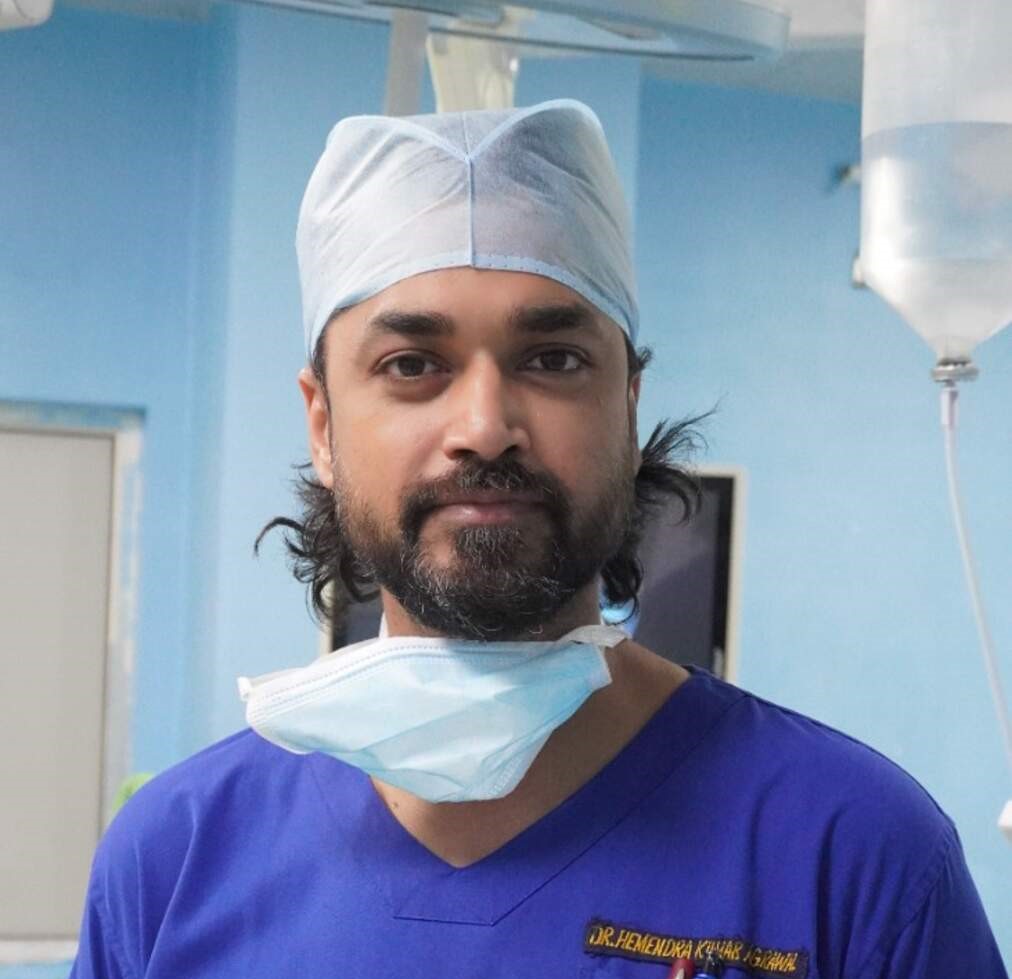
Advanced Treatment for Shoulder Dislocation by Dr. Hemendra Agrawal
What is Shoulder Dislocation?
Shoulder dislocation occurs when the upper arm bone (humerus) comes out of the shoulder socket (glenoid). It is one of the most common joint dislocations due to the high mobility of the shoulder joint.
Dislocations can occur due to trauma, sports injuries, falls, or accidents. Once dislocated, the shoulder becomes more prone to repeated dislocations, leading to chronic instability and damage to surrounding structures such as the labrum and ligaments.
Dr. Hemendra Agrawal provides advanced treatment for shoulder dislocation, ranging from non-surgical management to minimally invasive arthroscopic surgery for recurrent instability.
Early diagnosis and proper treatment are essential to restore stability, prevent recurrence, and ensure long-term shoulder function.
Conditions & Indications
When is this procedure recommended?
Acute shoulder dislocation due to injury
Recurrent shoulder dislocations
Shoulder instability or frequent slipping sensation
Labral tears (Bankart lesions)
Shoulder pain after dislocation
Sports-related shoulder injuries
Ligament damage in the shoulder
Failure of conservative treatment
How is Shoulder Dislocation Treated?
A detailed walkthrough of the surgical process
Initial Reduction
The dislocated shoulder is carefully repositioned back into the socket under sedation or anesthesia.
Imaging & Assessment
X-rays or MRI scans are performed to assess damage to bones, ligaments, and cartilage.
Immobilization
A sling is used to immobilize the shoulder for a few weeks to allow healing.
Physiotherapy
Rehabilitation exercises are started to restore strength and mobility.
Surgical Treatment (if required)
For recurrent dislocations, arthroscopic surgery is performed to repair damaged labrum and stabilize the joint.
Recovery & Follow-Up
Regular follow-ups and rehabilitation ensure proper healing and prevent recurrence.
Key Benefits
How this procedure transforms your life
Restores normal shoulder alignment
Prevents recurrent dislocations
Reduces pain and discomfort
Improves shoulder strength and stability
Minimally invasive surgical options available
Faster recovery with proper rehabilitation
Improved quality of life
Long-term joint protection
Recovery Timeline
What to expect during your recovery journey
Immobilization Phase
Use of sling, pain control, and limited shoulder movement.
Early Rehabilitation
Gentle physiotherapy and gradual movement restoration.
Strengthening Phase
Strengthening exercises and improved stability.
Full Recovery
Return to sports and full activities depending on recovery.
Other Services
Explore our full range of joint replacement procedures








Frequently Asked Questions
Get answers to common questions about this procedure
Ready to Take the First Step?
Book a consultation with Dr. Hemendra Agrawal to discuss your condition and explore the best treatment options for you.