
Golfer’s Elbow Treatment in Jaipur
Advanced Treatment for Golfer’s Elbow by Dr. Hemendra Agrawal

Dr. Hemendra Agrawal
MBBS, MS (Orthopedics) · Senior Orthopedic Consultant, Narayana Hospital
Overview
What is Golfer’s Elbow?
Golfer’s elbow, medically known as medial epicondylitis, is a condition caused by overuse of the forearm muscles leading to inflammation and micro-tears in the tendons that attach to the inner side of the elbow.
Although commonly associated with golfers, this condition can affect anyone who performs repetitive wrist flexion or gripping activities such as lifting, typing, or manual work.
Patients typically experience pain and tenderness on the inner side of the elbow, along with stiffness and weakness in the hand and wrist.
Dr. Hemendra Agrawal provides comprehensive treatment for golfer’s elbow, including non-surgical therapies and advanced interventions for long-term relief.
Early treatment helps prevent chronic pain and restores normal arm function effectively.
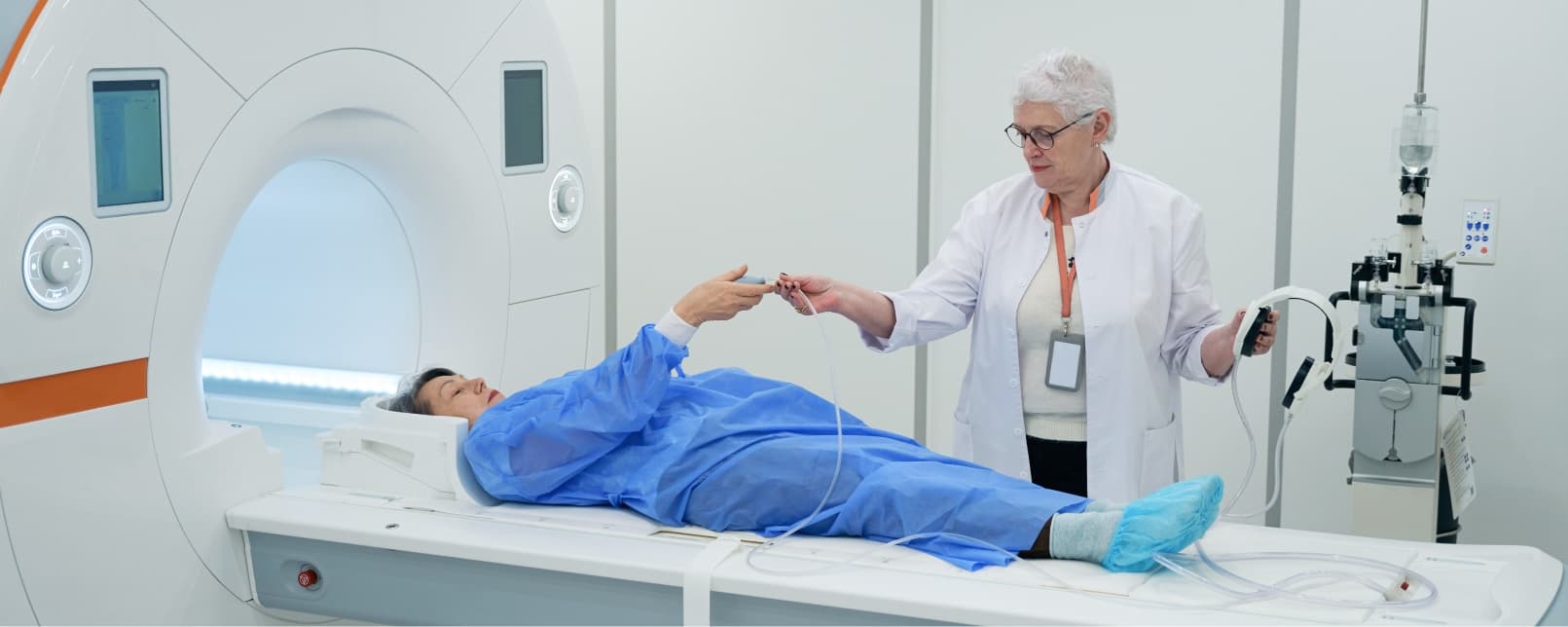
Precise diagnosis using advanced imaging & evaluation
20,000+
Successful Surgeries
When It's Needed
Conditions & Indications
When is this procedure recommended? These are the conditions where Golfer’s Elbow Treatment typically offers the best outcome.
Experiencing these symptoms?
An accurate diagnosis is the first step. Get an expert evaluation from Dr. Hemendra Agrawal.
Book a ConsultationMedial epicondylitis (golfer’s elbow)
Inner elbow pain due to repetitive strain
Tendon inflammation and micro-tears
Weak grip strength
Pain during wrist flexion or gripping
Chronic elbow pain
Sports-related elbow injuries
Failure of conservative treatment
Step by Step
How is Golfer’s Elbow Treated?
A detailed walkthrough of the surgical process
Step 01 / 06
Clinical Evaluation
Detailed examination and assessment of symptoms and activity patterns.
Step 02 / 06
Non-Surgical Treatment
Rest, activity modification, medications, and use of elbow braces.
Step 03 / 06
Physiotherapy
Strengthening and stretching exercises for forearm muscles.
Step 04 / 06
Injection Therapy
PRP or steroid injections to reduce inflammation and promote healing.
Step 05 / 06
Advanced Therapies
Shockwave therapy or regenerative treatments may be used.
Step 06 / 06
Surgical Treatment (if required)
Minimally invasive surgery to remove damaged tissue in severe cases.
Facilities & Care
Advanced Surgery & Personalized Care
From a state-of-the-art operation theatre to attentive post-operative recovery: you're in expert hands at every step.
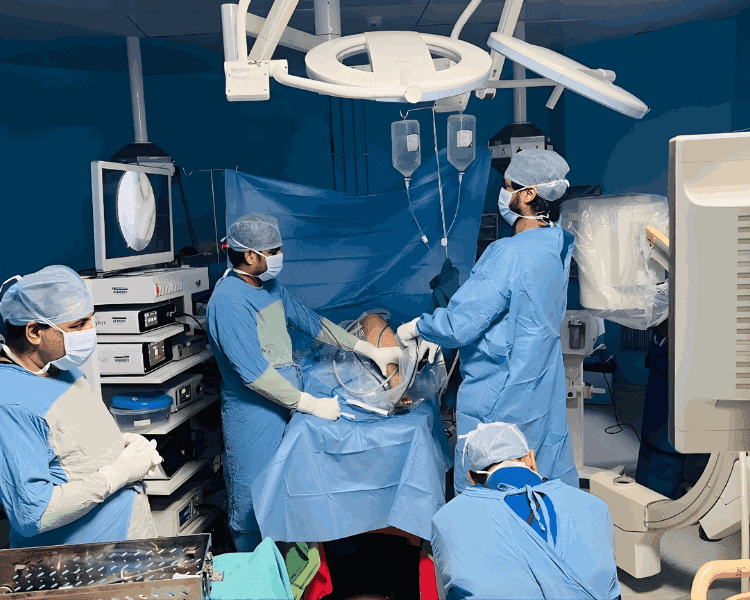
Modern Operation Theatre
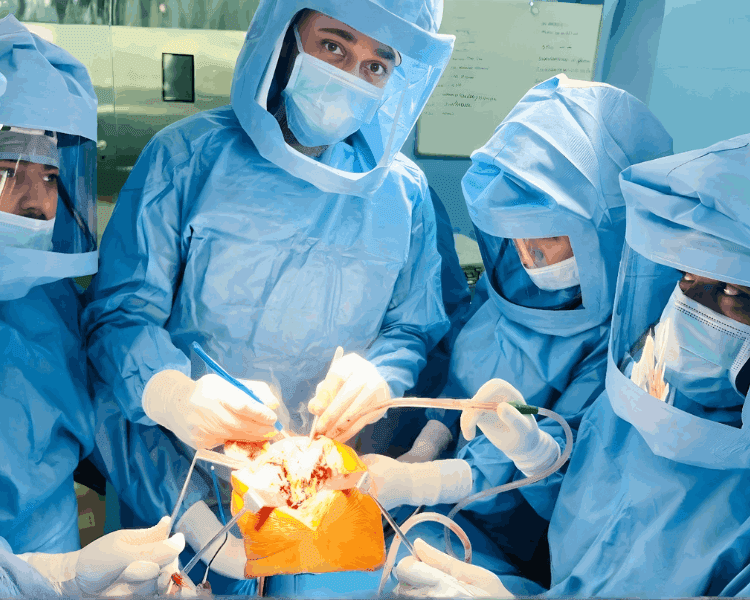
Precision Surgery in Progress
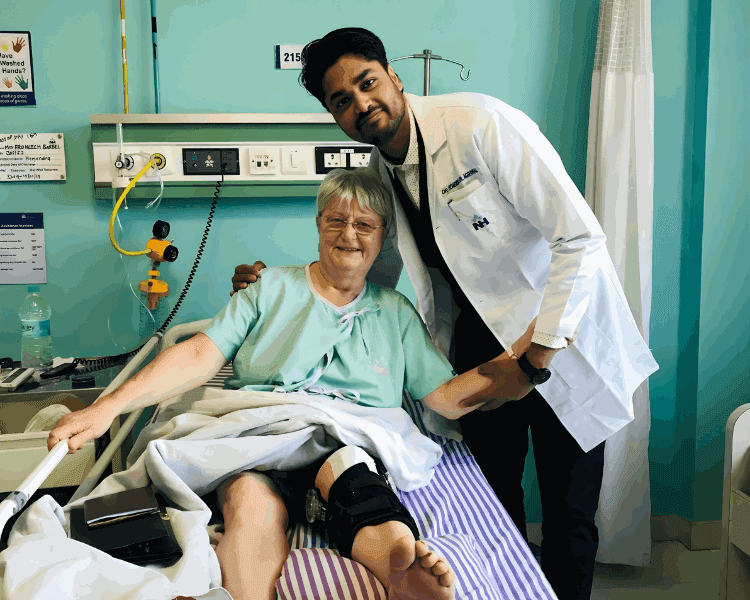
Attentive Post-Operative Care
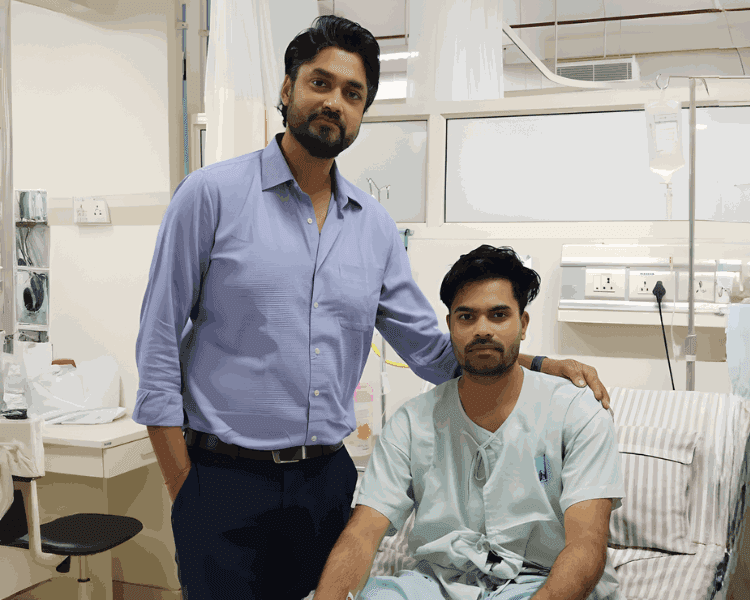
Personalized Patient Support
The Outcome
Key Benefits
How this procedure transforms your life
Relieves inner elbow pain
Improves grip strength
Restores normal arm function
Non-surgical treatment options available
Minimally invasive procedures if needed
Prevents chronic condition
Personalized treatment plans
Improves quality of life
Your Journey
Recovery Timeline
What to expect during your recovery journey, step by step
Initial Phase
Pain control, rest, and activity modification.
Rehabilitation Phase
Physiotherapy and strengthening exercises.
Recovery Phase
Gradual return to normal activities.
Full Recovery
Return to sports and repetitive activities with precautions.
Insurance & Panels
Insurance & Cashless Options for Golfer’s Elbow Treatment in Jaipur
Government panels and health insurance we help you claim, with cashless coordination and complete paperwork support.
CGHS
For central government employees & pensioners
ECHS
For ex-servicemen (defence) & dependents
RGHS
For Rajasthan government employees & pensioners
Railway Panel
For railway employees & pensioners
Ayushman Bharat
Cashless cover up to ₹5 lakh per family / year
MAA / Chiranjeevi
Rajasthan cashless cover · via Jan Aadhaar
Cashless Insurance
Cashless orthopedic surgery via your health insurer
Explore More
Other Services
Explore our full range of related procedures







FAQ
Frequently Asked Questions
Get answers to common questions about this procedure
Ready to Take the First Step?
Book a consultation with Dr. Hemendra Agrawal to discuss your condition and explore the best treatment options for you.