
Geriatric Fracture Management in Jaipur
Advanced Elderly Fracture Care by Dr. Hemendra Agrawal

Dr. Hemendra Agrawal
MBBS, MS (Orthopedics) · Senior Orthopedic Consultant, Narayana Hospital
Overview
What is Geriatric Fracture Management?
Geriatric fracture management focuses on the diagnosis and treatment of fractures in elderly patients, taking into account age-related factors such as osteoporosis, reduced bone density, and overall health conditions.
Fractures in older adults are often more complex and require specialized care due to slower healing, higher risk of complications, and associated medical conditions.
Dr. Hemendra Agrawal provides comprehensive geriatric fracture care with a focus on early mobilization, pain control, and restoring independence.
Treatment may include both non-surgical methods such as casting and surgical interventions like internal fixation or joint replacement, depending on the fracture type and patient condition.
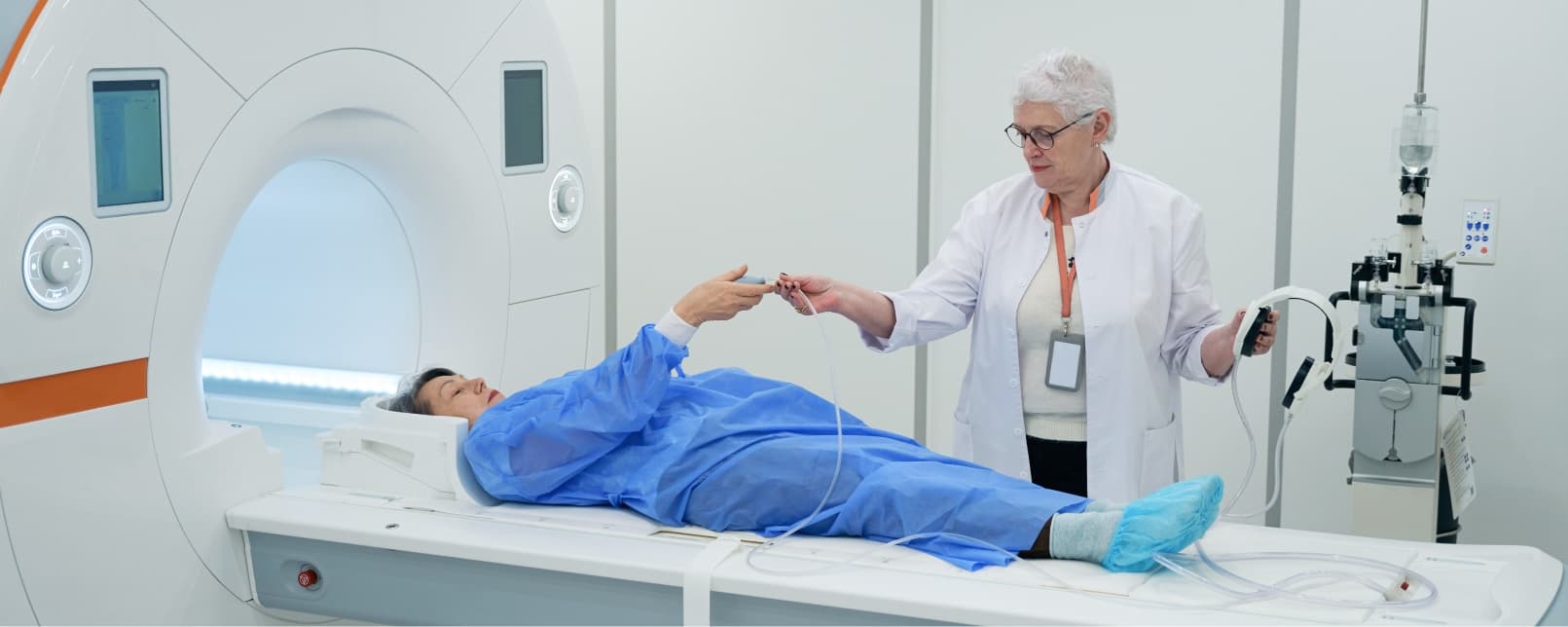
Precise diagnosis using advanced imaging & evaluation
20,000+
Successful Surgeries
When It's Needed
Conditions & Indications
When is this procedure recommended? These are the conditions where Geriatric Fracture Management typically offers the best outcome.
Experiencing these symptoms?
An accurate diagnosis is the first step. Get an expert evaluation from Dr. Hemendra Agrawal.
Book a ConsultationOsteoporotic fractures
Hip fractures in elderly patients
Spine compression fractures
Wrist fractures due to falls
Fragility fractures
Fractures with delayed healing
Multiple fractures in elderly patients
Fractures associated with chronic conditions
Step by Step
How is Geriatric Fracture Management Done?
A detailed walkthrough of the surgical process
Step 01 / 06
Comprehensive Assessment
Evaluation of fracture, bone density, and overall health including comorbid conditions.
Step 02 / 06
Non-Surgical Treatment
Casting, bracing, and medications for stable fractures.
Step 03 / 06
Surgical Intervention
Internal fixation or joint replacement for unstable or complex fractures.
Step 04 / 06
Pain Management
Medications and supportive therapies to control pain effectively.
Step 05 / 06
Early Mobilization
Encouraging movement to prevent complications such as bed sores or blood clots.
Step 06 / 06
Rehabilitation & Support
Physiotherapy and lifestyle modifications to restore independence.
Facilities & Care
Advanced Surgery & Personalized Care
From a state-of-the-art operation theatre to attentive post-operative recovery: you're in expert hands at every step.

Modern Operation Theatre
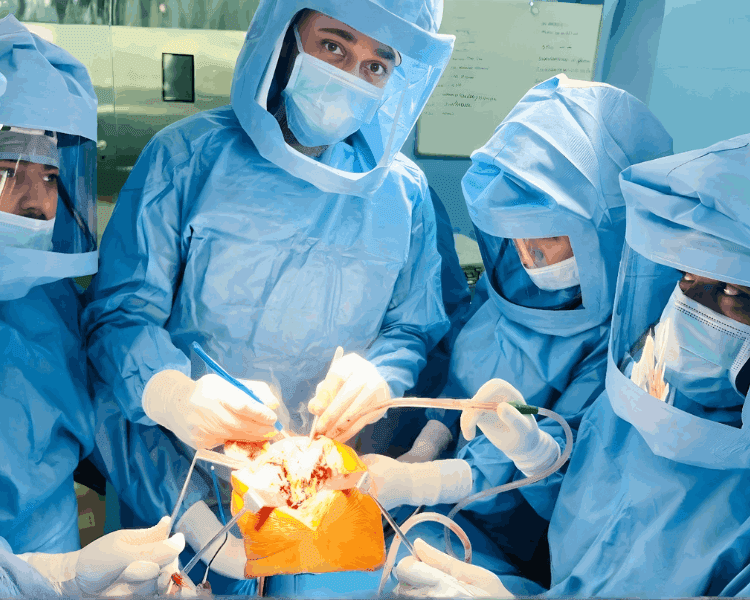
Precision Surgery in Progress
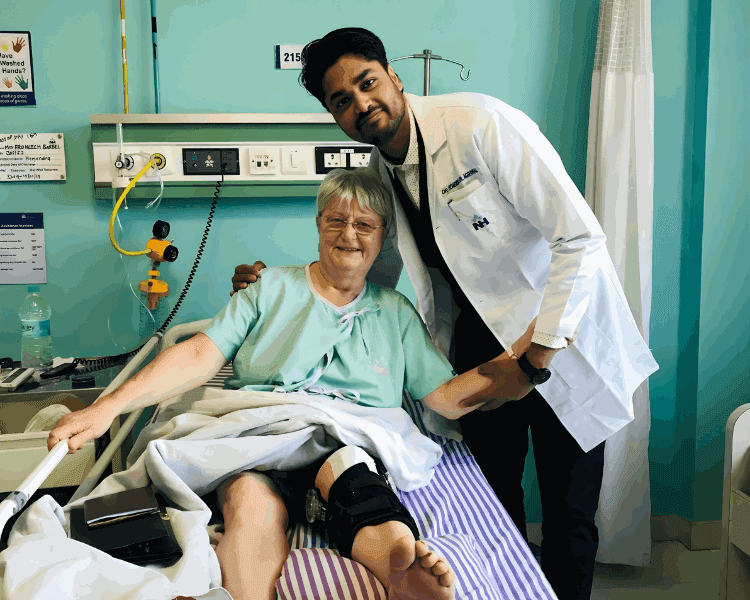
Attentive Post-Operative Care
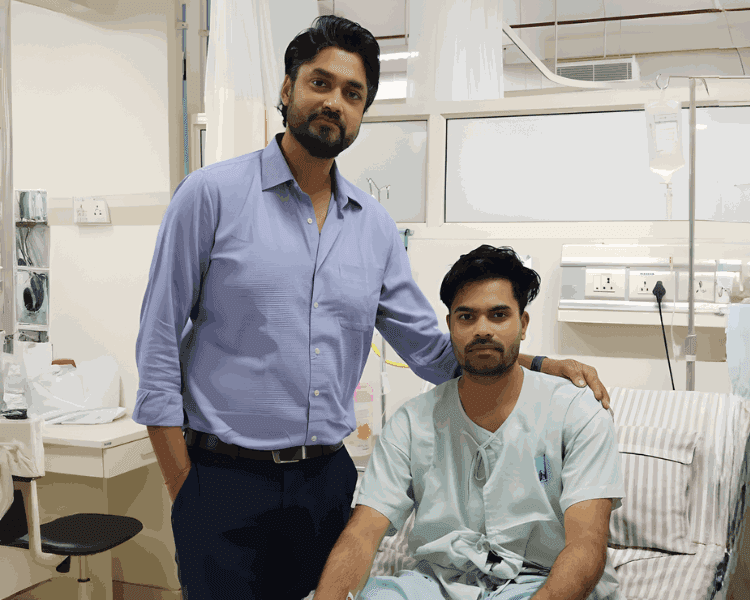
Personalized Patient Support
The Outcome
Key Benefits
How this procedure transforms your life
Specialized care for elderly patients
Focus on early mobilization
Reduces risk of complications
Improves quality of life
Restores independence
Comprehensive treatment approach
Better fracture healing outcomes
Personalized care plans
Your Journey
Recovery Timeline
What to expect during your recovery journey, step by step
Initial Phase
Pain management, stabilization, and limited movement.
Early Recovery
Gradual movement and assisted walking.
Rehabilitation Phase
Physiotherapy and strengthening exercises.
Functional Recovery
Return to daily activities with improved mobility.
Insurance & Panels
Insurance & Cashless Options for Geriatric Fracture Management in Jaipur
Government panels and health insurance we help you claim, with cashless coordination and complete paperwork support.
CGHS
For central government employees & pensioners
ECHS
For ex-servicemen (defence) & dependents
RGHS
For Rajasthan government employees & pensioners
Railway Panel
For railway employees & pensioners
Ayushman Bharat
Cashless cover up to ₹5 lakh per family / year
MAA / Chiranjeevi
Rajasthan cashless cover · via Jan Aadhaar
Cashless Insurance
Cashless orthopedic surgery via your health insurer
Explore More
Other Services
Explore our full range of related procedures

Open Reduction
Learn more

Closed Reduction
Learn more

Internal Fixation with Plates
Learn more

Internal Fixation with Nails
Learn more

Internal Fixation with Screws
Learn more

Pediatric Fracture Management
Learn more

Geriatric Fracture Management
Learn more

Complex Polytrauma
Learn more

Non-Healing Fracture
Learn more

Fracture Revision
Learn more
FAQ
Frequently Asked Questions
Get answers to common questions about this procedure
Ready to Take the First Step?
Book a consultation with Dr. Hemendra Agrawal to discuss your condition and explore the best treatment options for you.