
Frozen Shoulder Treatment in Jaipur
Advanced Treatment for Frozen Shoulder by Dr. Hemendra Agrawal

Dr. Hemendra Agrawal
MBBS, MS (Orthopedics) · Senior Orthopedic Consultant, Narayana Hospital
Overview
What is Frozen Shoulder?
Frozen shoulder, medically known as adhesive capsulitis, is a condition characterized by stiffness, pain, and restricted movement in the shoulder joint. It occurs when the shoulder capsule thickens and tightens, limiting mobility.
The condition typically develops gradually and progresses through stages, freezing (painful stage), frozen (stiffness stage), and thawing (recovery stage).
Frozen shoulder is more common in individuals with diabetes, after prolonged immobilization, or following shoulder injuries or surgeries.
Dr. Hemendra Agrawal provides comprehensive treatment for frozen shoulder, focusing on pain relief, restoring mobility, and preventing recurrence.
Early diagnosis and proper treatment can significantly improve recovery and reduce long-term stiffness.
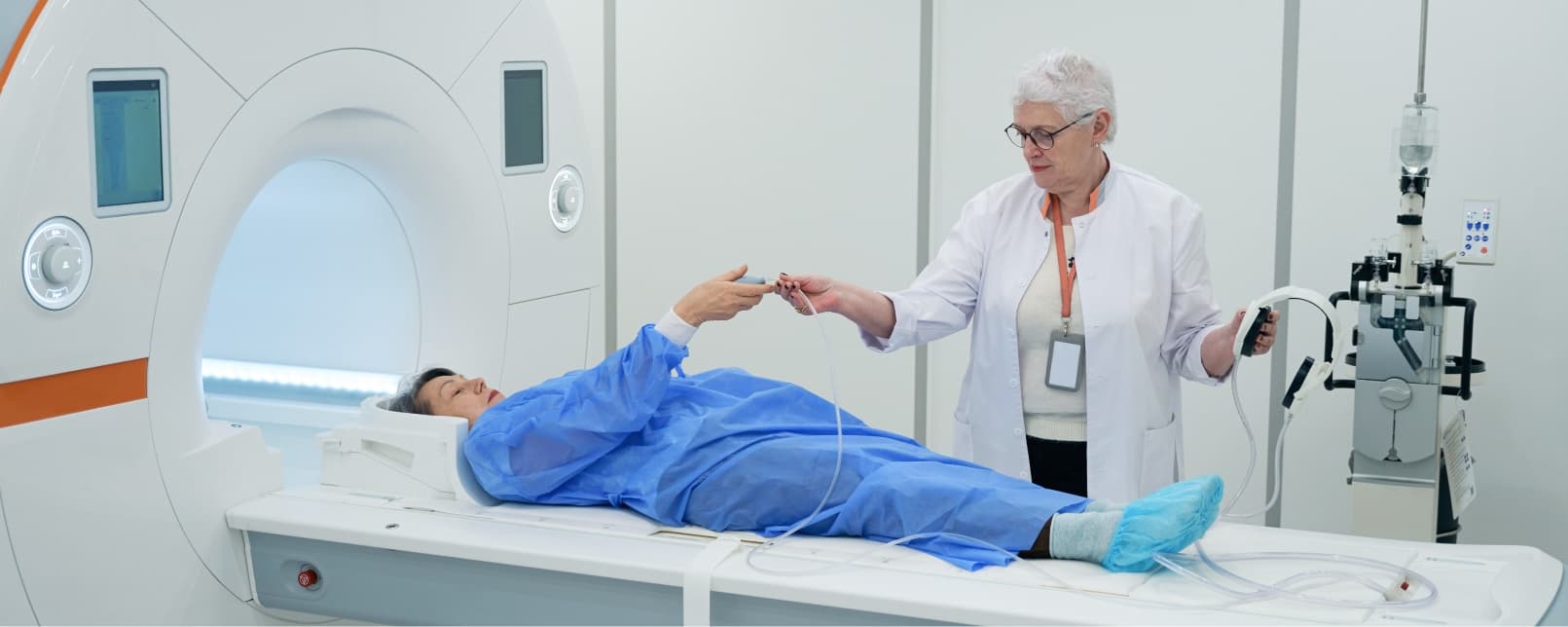
Precise diagnosis using advanced imaging & evaluation
20,000+
Successful Surgeries
When It's Needed
Conditions & Indications
When is this procedure recommended? These are the conditions where Frozen Shoulder Treatment typically offers the best outcome.
Experiencing these symptoms?
An accurate diagnosis is the first step. Get an expert evaluation from Dr. Hemendra Agrawal.
Book a ConsultationAdhesive capsulitis (frozen shoulder)
Shoulder stiffness and restricted movement
Chronic shoulder pain
Post-surgical shoulder stiffness
Frozen shoulder in diabetic patients
Reduced shoulder mobility
Pain during arm movement
Failure of conservative treatment
Step by Step
How is Frozen Shoulder Treated?
A detailed walkthrough of the surgical process
Step 01 / 06
Clinical Evaluation
Detailed examination and assessment of shoulder movement and pain.
Step 02 / 06
Medications
Pain relievers and anti-inflammatory medications to reduce discomfort.
Step 03 / 06
Physiotherapy
Stretching and strengthening exercises to improve mobility.
Step 04 / 06
Injection Therapy
Steroid injections may be used to reduce inflammation and pain.
Step 05 / 06
Hydrodilatation
Injection of fluid into the joint to stretch the capsule and improve movement.
Step 06 / 06
Surgical Treatment (if required)
Arthroscopic release of tight capsule in severe or resistant cases.
Facilities & Care
Advanced Surgery & Personalized Care
From a state-of-the-art operation theatre to attentive post-operative recovery: you're in expert hands at every step.

Modern Operation Theatre
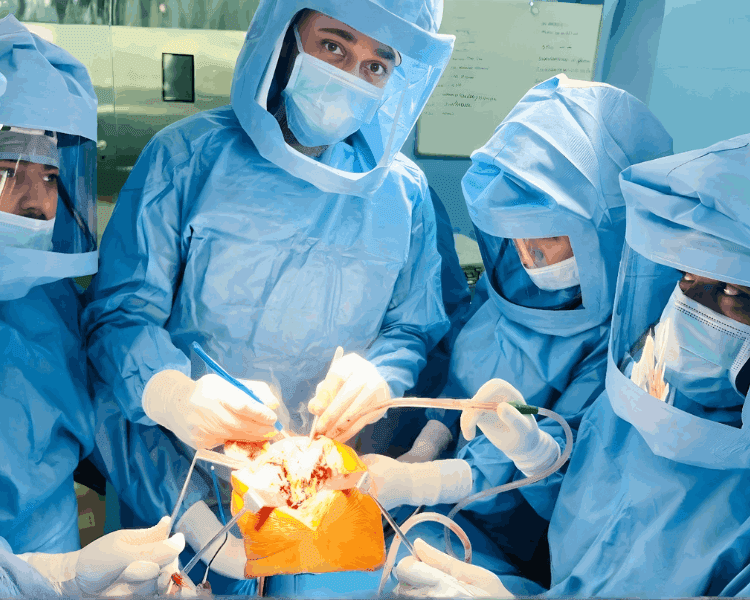
Precision Surgery in Progress
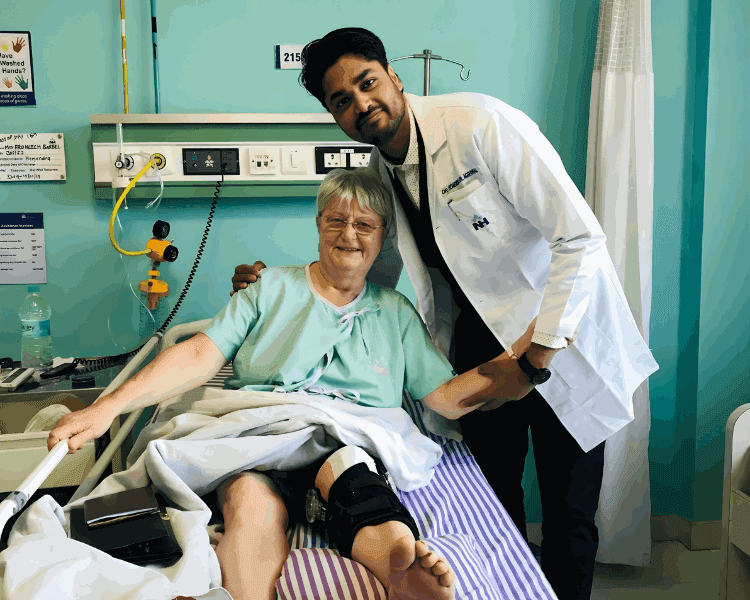
Attentive Post-Operative Care

Personalized Patient Support
The Outcome
Key Benefits
How this procedure transforms your life
Relieves shoulder pain
Improves range of motion
Restores normal shoulder function
Non-surgical treatment options available
Minimally invasive procedures if needed
Prevents long-term stiffness
Customized treatment plans
Improves quality of life
Your Journey
Recovery Timeline
What to expect during your recovery journey, step by step
Painful Stage
Pain management and limited movement.
Frozen Stage
Reduced pain but significant stiffness; physiotherapy is key.
Thawing Stage
Gradual improvement in mobility and function.
Insurance & Panels
Insurance & Cashless Options for Frozen Shoulder Treatment in Jaipur
Government panels and health insurance we help you claim, with cashless coordination and complete paperwork support.
CGHS
For central government employees & pensioners
ECHS
For ex-servicemen (defence) & dependents
RGHS
For Rajasthan government employees & pensioners
Railway Panel
For railway employees & pensioners
Ayushman Bharat
Cashless cover up to ₹5 lakh per family / year
MAA / Chiranjeevi
Rajasthan cashless cover · via Jan Aadhaar
Cashless Insurance
Cashless orthopedic surgery via your health insurer
Explore More
Other Services
Explore our full range of related procedures







FAQ
Frequently Asked Questions
Get answers to common questions about this procedure
Ready to Take the First Step?
Book a consultation with Dr. Hemendra Agrawal to discuss your condition and explore the best treatment options for you.