
Internal Fixation with Screws Surgery in Jaipur
Advanced Screw Fixation for Fractures by Dr. Hemendra Agrawal

Dr. Hemendra Agrawal
MBBS, MS (Orthopedics) · Senior Orthopedic Consultant, Narayana Hospital
Overview
What is Internal Fixation with Screws?
Internal fixation with screws is a surgical procedure used to stabilize fractures by using specially designed metal screws to hold bone fragments together. These screws provide compression and stability, allowing the bone to heal in proper alignment.
This technique is commonly used for smaller bones, joint fractures, and specific fracture patterns where precise fixation is required. Screws may be used alone or in combination with plates or other fixation devices.
Dr. Hemendra Agrawal performs advanced screw fixation using modern surgical techniques to ensure accurate placement, stable fixation, and optimal healing outcomes.
The goal of this procedure is to restore normal bone structure, promote faster healing, and regain full function of the affected area.
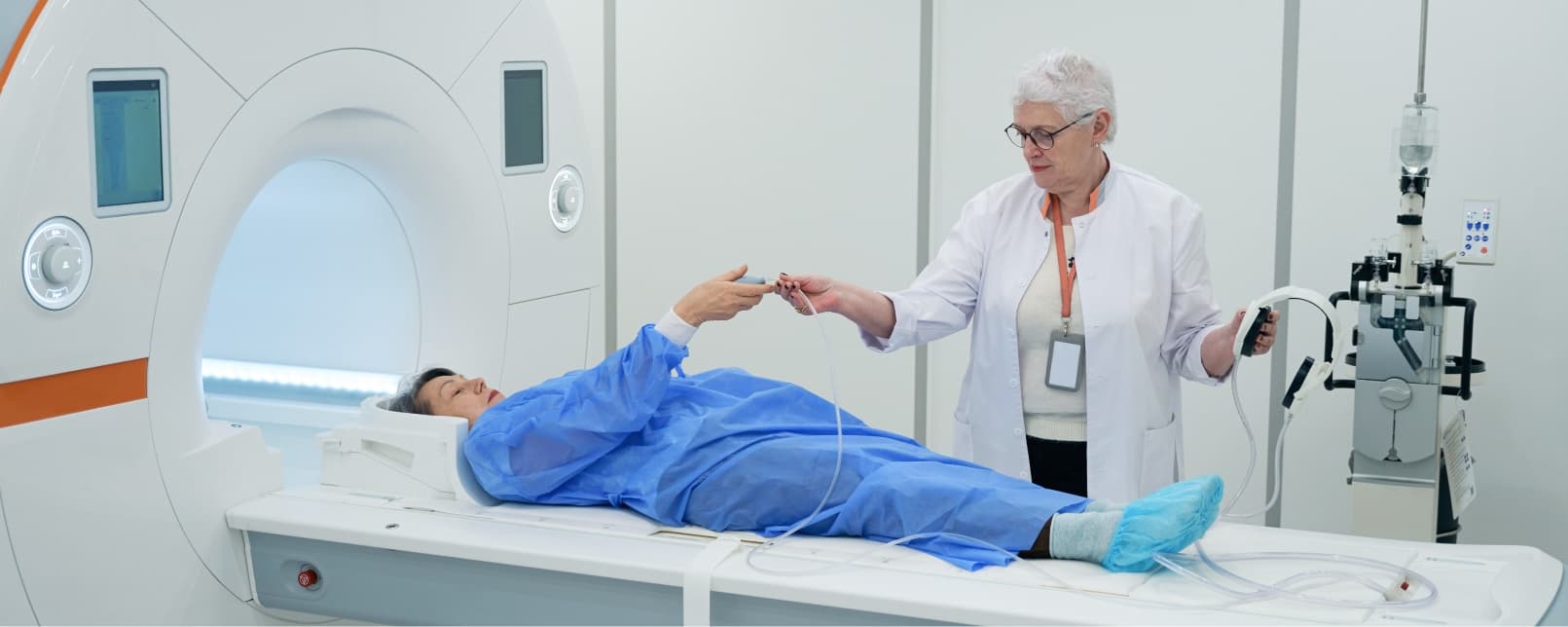
Precise diagnosis using advanced imaging & evaluation
20,000+
Successful Surgeries
When It's Needed
Conditions & Indications
When is this procedure recommended? These are the conditions where Internal Fixation with Screws Surgery typically offers the best outcome.
Experiencing these symptoms?
An accurate diagnosis is the first step. Get an expert evaluation from Dr. Hemendra Agrawal.
Book a ConsultationSmall bone fractures (wrist, ankle, hand, foot)
Fractures involving joints
Displaced fractures requiring precise alignment
Avulsion fractures
Certain long bone fractures
Fractures requiring compression for healing
Non-union or delayed healing fractures
Trauma-related bone injuries
Step by Step
How is Internal Fixation with Screws Performed?
A detailed walkthrough of the surgical process
Step 01 / 06
Pre-Operative Evaluation
Clinical examination, X-rays or CT scans, and surgical planning are performed.
Step 02 / 06
Anesthesia & Preparation
The procedure is performed under general or regional anesthesia. The surgical site is sterilized.
Step 03 / 06
Surgical Access
A small incision is made to access the fracture site.
Step 04 / 06
Bone Alignment
The bone fragments are carefully repositioned into correct alignment.
Step 05 / 06
Screw Fixation
Special screws are inserted to hold the bone fragments securely in place.
Step 06 / 06
Closure
The incision is closed, and a dressing or support is applied.
Facilities & Care
Advanced Surgery & Personalized Care
From a state-of-the-art operation theatre to attentive post-operative recovery: you're in expert hands at every step.
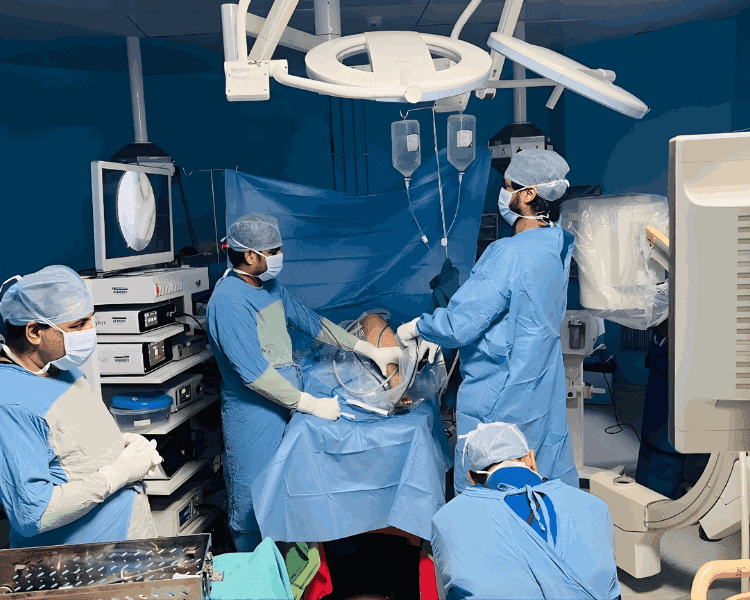
Modern Operation Theatre
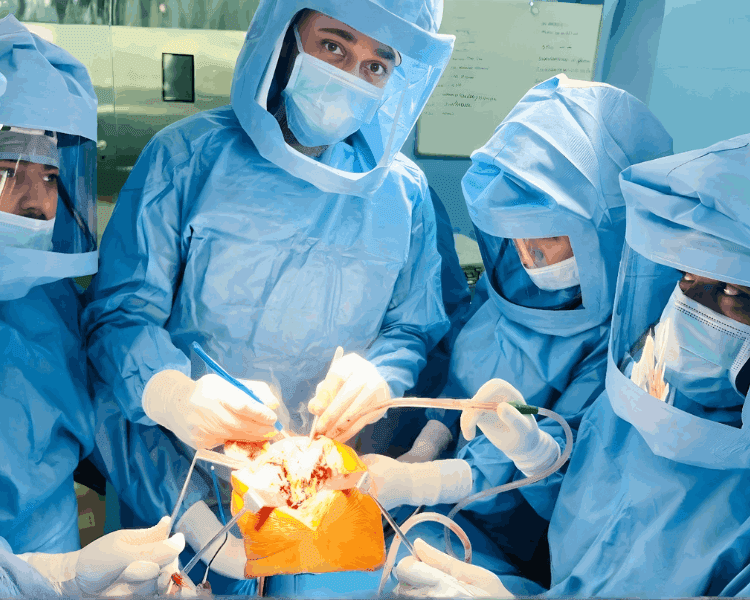
Precision Surgery in Progress
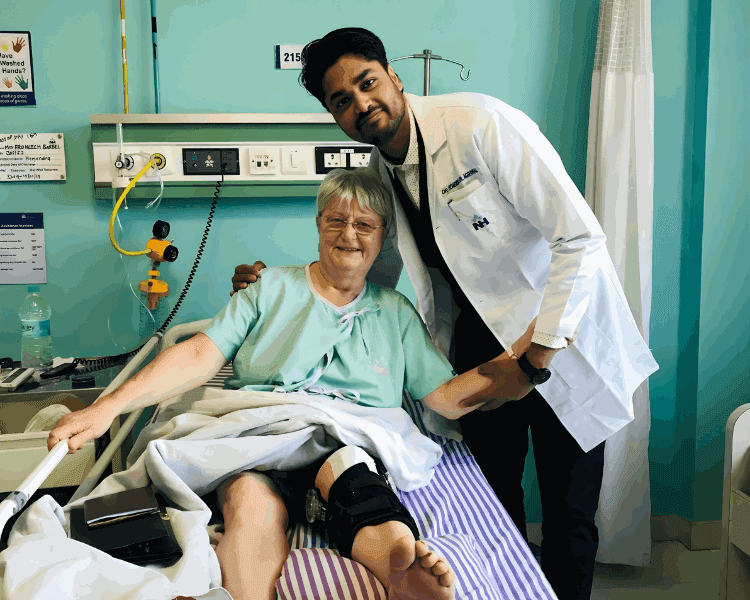
Attentive Post-Operative Care
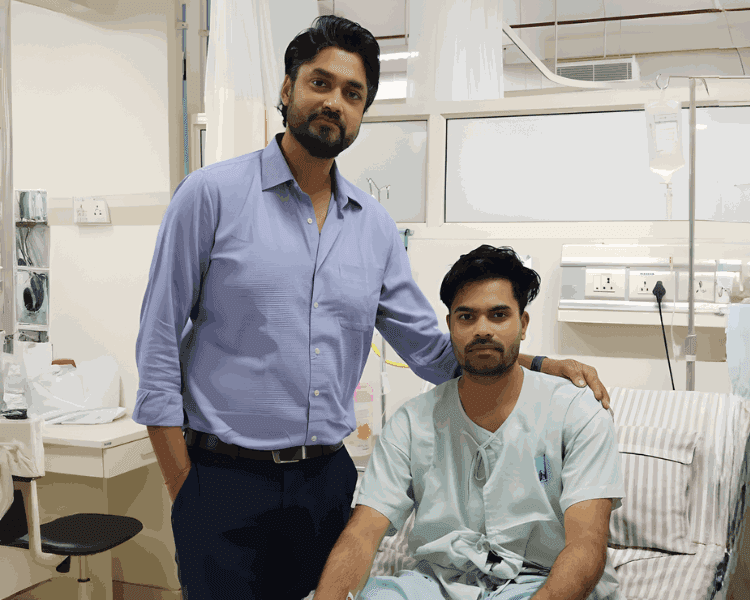
Personalized Patient Support
The Outcome
Key Benefits
How this procedure transforms your life
Precise and stable fixation
Promotes faster bone healing
Minimally invasive approach in many cases
Effective for small and joint fractures
Allows early mobilization
Reduces risk of misalignment
High success rate
Improved functional recovery
Your Journey
Recovery Timeline
What to expect during your recovery journey, step by step
Initial Recovery
Pain management, rest, and limited movement.
Healing Phase
Gradual movement and physiotherapy initiation.
Rehabilitation Phase
Strengthening exercises and improved mobility.
Full Recovery
Return to normal activities based on healing progress.
Insurance & Panels
Insurance & Cashless Options for Internal Fixation with Screws Surgery in Jaipur
Government panels and health insurance we help you claim, with cashless coordination and complete paperwork support.
CGHS
For central government employees & pensioners
ECHS
For ex-servicemen (defence) & dependents
RGHS
For Rajasthan government employees & pensioners
Railway Panel
For railway employees & pensioners
Ayushman Bharat
Cashless cover up to ₹5 lakh per family / year
MAA / Chiranjeevi
Rajasthan cashless cover · via Jan Aadhaar
Cashless Insurance
Cashless orthopedic surgery via your health insurer
Explore More
Other Services
Explore our full range of related procedures

Open Reduction
Learn more

Closed Reduction
Learn more

Internal Fixation with Plates
Learn more

Internal Fixation with Nails
Learn more

Internal Fixation with Screws
Learn more

Pediatric Fracture Management
Learn more

Geriatric Fracture Management
Learn more

Complex Polytrauma
Learn more

Non-Healing Fracture
Learn more

Fracture Revision
Learn more
FAQ
Frequently Asked Questions
Get answers to common questions about this procedure
Ready to Take the First Step?
Book a consultation with Dr. Hemendra Agrawal to discuss your condition and explore the best treatment options for you.