
Toe Deformity Correction Surgery in Jaipur
Advanced Toe Deformity Treatment by Dr. Hemendra Agrawal

Dr. Hemendra Agrawal
MBBS, MS (Orthopedics) · Senior Orthopedic Consultant, Narayana Hospital
Overview
What is Toe Deformity?
Toe deformity refers to abnormal positioning or structure of the toes, which can affect function, appearance, and comfort. Common types include hammer toe, claw toe, and mallet toe.
These deformities may develop due to muscle imbalance, improper footwear, arthritis, nerve damage, or congenital conditions.
Patients often experience pain, difficulty in wearing shoes, corns or calluses, and impaired walking.
Dr. Hemendra Agrawal offers advanced toe deformity correction treatments, including conservative management and surgical correction for severe cases.
The goal of treatment is to relieve pain, correct alignment, and restore normal function of the foot.
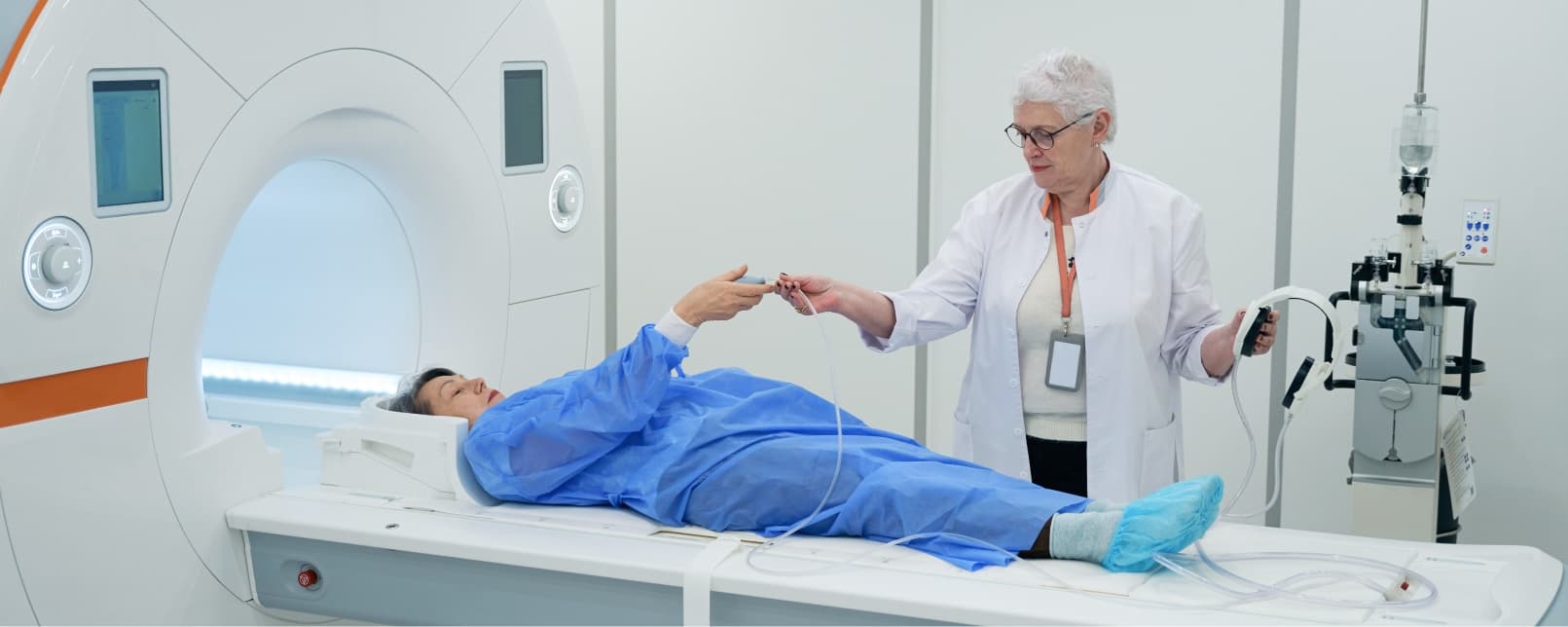
Precise diagnosis using advanced imaging & evaluation
20,000+
Successful Surgeries
When It's Needed
Conditions & Indications
When is this procedure recommended? These are the conditions where Toe Deformity Correction Surgery typically offers the best outcome.
Experiencing these symptoms?
An accurate diagnosis is the first step. Get an expert evaluation from Dr. Hemendra Agrawal.
Book a ConsultationHammer toe deformity
Claw toe deformity
Mallet toe deformity
Toe misalignment
Painful corns and calluses
Difficulty wearing shoes
Toe stiffness and reduced mobility
Foot deformities affecting walking
Step by Step
How is Toe Deformity Corrected?
A detailed walkthrough of the surgical process
Step 01 / 06
Clinical Evaluation
Assessment of toe structure, deformity type, and severity.
Step 02 / 06
Non-Surgical Treatment
Use of proper footwear, orthotics, splints, and exercises.
Step 03 / 06
Surgical Planning
Imaging and planning for correction based on deformity type.
Step 04 / 06
Soft Tissue Release
Tight tendons or ligaments are released to improve alignment.
Step 05 / 06
Bone Correction
In some cases, bone is realigned or reshaped.
Step 06 / 06
Fixation & Closure
Pins or implants may be used to maintain alignment, followed by closure.
Facilities & Care
Advanced Surgery & Personalized Care
From a state-of-the-art operation theatre to attentive post-operative recovery: you're in expert hands at every step.
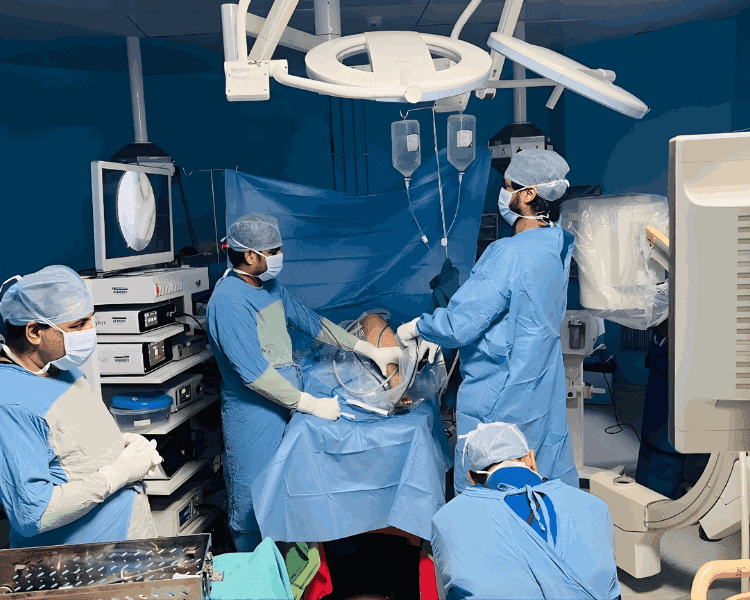
Modern Operation Theatre
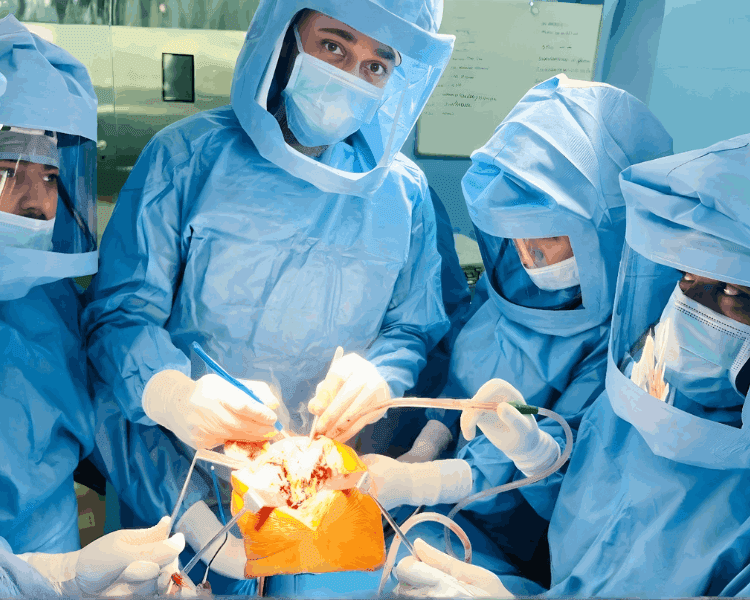
Precision Surgery in Progress
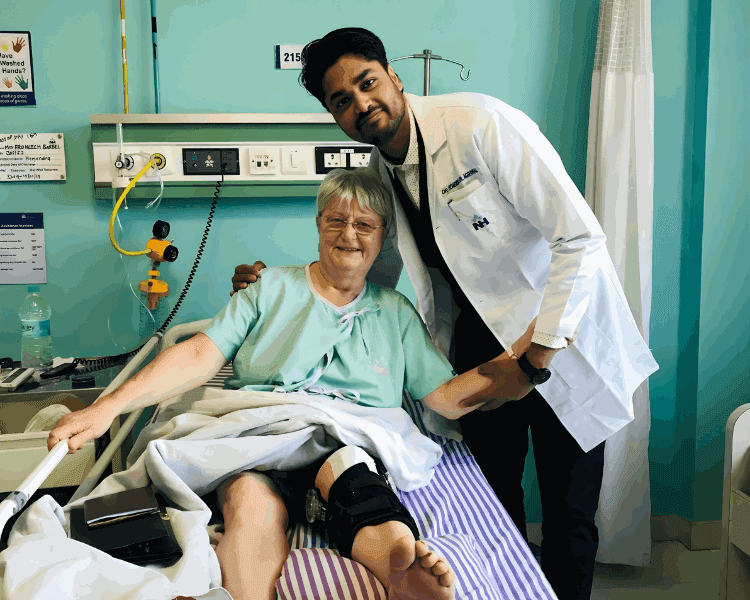
Attentive Post-Operative Care
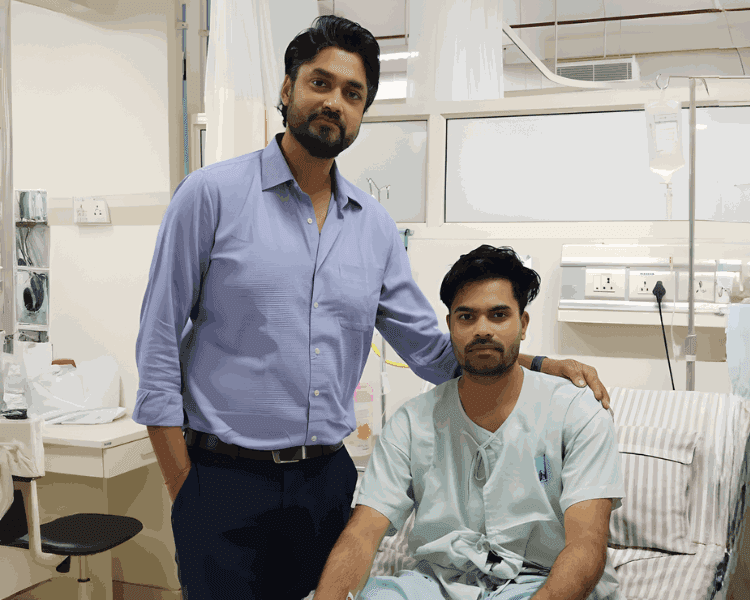
Personalized Patient Support
The Outcome
Key Benefits
How this procedure transforms your life
Relieves toe pain and discomfort
Corrects deformity and alignment
Improves walking and balance
Allows comfortable footwear use
Prevents progression of deformity
Enhances foot function
Minimally invasive options available
Improves quality of life
Your Journey
Recovery Timeline
What to expect during your recovery journey, step by step
Initial Phase
Rest, pain management, and use of protective footwear.
Early Recovery
Gradual weight-bearing and improved mobility.
Rehabilitation Phase
Strengthening and flexibility exercises.
Full Recovery
Return to normal activities and footwear.
Insurance & Panels
Insurance & Cashless Options for Toe Deformity Correction Surgery in Jaipur
Government panels and health insurance we help you claim, with cashless coordination and complete paperwork support.
CGHS
For central government employees & pensioners
ECHS
For ex-servicemen (defence) & dependents
RGHS
For Rajasthan government employees & pensioners
Railway Panel
For railway employees & pensioners
Ayushman Bharat
Cashless cover up to ₹5 lakh per family / year
MAA / Chiranjeevi
Rajasthan cashless cover · via Jan Aadhaar
Cashless Insurance
Cashless orthopedic surgery via your health insurer
Explore More
Other Services
Explore our full range of related procedures






FAQ
Frequently Asked Questions
Get answers to common questions about this procedure
Ready to Take the First Step?
Book a consultation with Dr. Hemendra Agrawal to discuss your condition and explore the best treatment options for you.