
Orthopedic Surgeon In Jaipur: Shoulder Dislocation Care
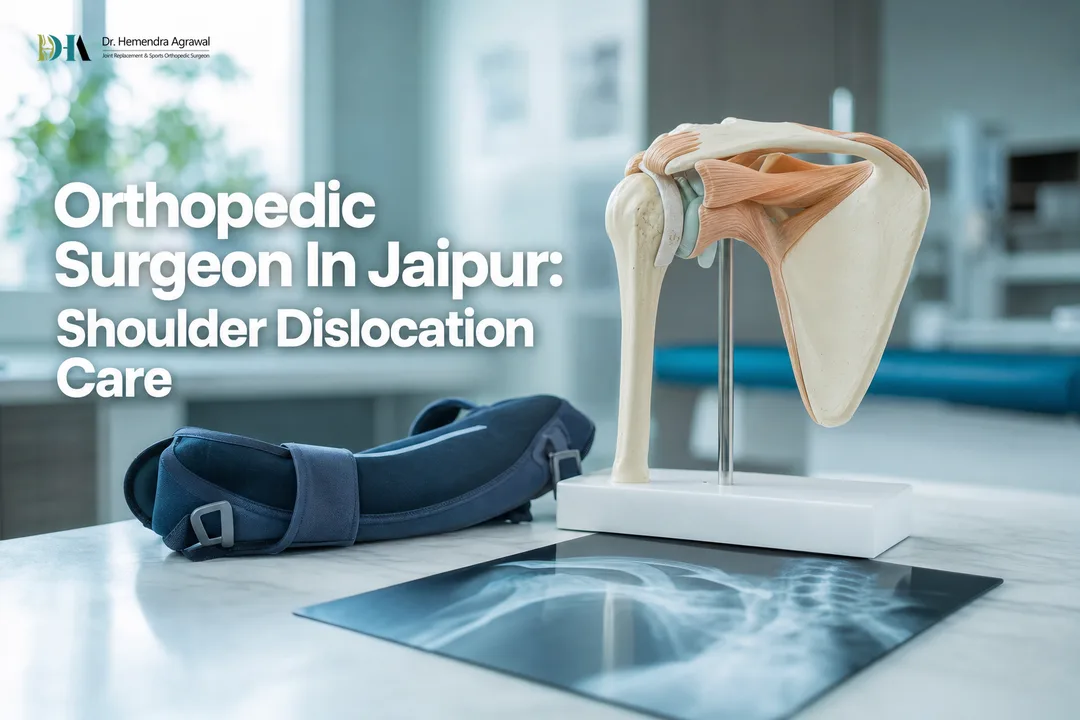
If you are searching for the Best Doctor for Shoulder Dislocation in Sri Ganganagar, it helps to know what good care looks like and when to travel for it. Many patients also look for an orthopedic surgeon in jaipur because Jaipur offers advanced imaging, arthroscopy, and structured rehabilitation. In this guide, you will learn how shoulder dislocations happen, what the right evaluation includes, and how to choose a surgeon for stable recovery.
Why Shoulder Dislocations Need Expert, Timely Care
A shoulder dislocation often looks “simple” from the outside. However, the joint can suffer hidden damage. For example, the labrum can tear, the capsule can stretch, and the bone can chip. As a result, the shoulder may keep slipping again.
Importantly, the longer you wait, the more stiff and painful the joint can become. Therefore, early assessment matters. It also reduces the risk of nerve irritation and long-term instability.
In addition, shoulder dislocations can involve different directions. Anterior dislocations are the most common. Yet posterior dislocations can be missed if the X-ray views are incomplete. Because of this, a careful exam and correct imaging plan are essential.
Common Causes, Risk Groups, and Red Flags
First, dislocations often occur after a fall on an outstretched arm. They also happen during contact sports or bike accidents. Moreover, people with ligament laxity can dislocate with minor twists.
Notably, some red flags need urgent evaluation. If your arm feels numb, weak, or cold, seek care right away. Similarly, severe pain with an obvious deformity needs emergency help.
- First-time traumatic dislocation after a fall or collision
- Recurrent instability or “giving way” during daily tasks
- Numbness or tingling in the arm or hand
- Inability to lift the arm after reduction, which may suggest a cuff tear
- High-demand athletes who need stable return to sport
When Not To “Wait It Out”
Sometimes pain settles after a few days, so patients delay follow-up. However, instability can remain even when pain drops. Therefore, schedule a review after reduction, especially after the first episode.
Orthopedic Surgeon In Jaipur for Shoulder Dislocation Evaluation
When patients from Sri Ganganagar consult an orthopedic surgeon in jaipur, the goal is clear. We confirm joint stability, identify associated injuries, and plan recovery that prevents repeat episodes. In our orthopedic practice, we repeatedly see that patients do best when the first dislocation is managed with proper imaging and a step-by-step rehab plan.
First, your doctor reviews how the injury happened. Next, they check stability patterns, tenderness points, and muscle control. Then they select imaging that matches your symptoms, not a one-size plan.
For trustworthy patient education on shoulder dislocation and instability, you can also review the Cleveland Clinic overview of dislocated shoulder symptoms and treatment. It explains why follow-up matters after reduction.
What A Thorough Workup Usually Includes
First, an X-ray confirms the shoulder is back in position and checks for fractures. However, X-rays do not show the labrum. Therefore, your doctor may recommend MRI or MR arthrogram when instability persists.
Second, your clinician assesses rotator cuff strength. This matters more in patients over 40, where cuff tears can occur with dislocation. Consequently, early detection can change the treatment path.
Third, the surgeon checks nerve function. The axillary nerve can get irritated during dislocation. So, they document sensation over the deltoid area and shoulder power.
For a high-level explanation of orthopedic imaging and care pathways, you can explore the Mayo Clinic Orthopedic Surgery department overview.
Treatment Options: From Reduction To Surgery and Rehab
Shoulder dislocation treatment starts with safe reduction and pain control. After that, the main decision is prevention. Some patients recover well with rehab alone. Others need arthroscopic stabilization to stop repeat dislocations.
Importantly, no ethical surgeon promises a “guaranteed” outcome. Results vary based on age, sport level, bone loss, and rehab effort. Still, the right plan can significantly improve stability and confidence.
In addition, modern care often uses minimally invasive orthopedic surgery when surgery is needed. Arthroscopy helps repair labral tears through small incisions. As a result, patients often regain motion sooner with structured physiotherapy.
Non-Surgical Care: When It Makes Sense
First-time dislocations without major tears may respond well to conservative care. Typically, this includes brief immobilization followed by guided exercises. Next, rehab focuses on scapular control, rotator cuff endurance, and safe return to activity.
However, recurrent episodes raise the risk of further damage. Therefore, if your shoulder keeps slipping, your surgeon may discuss arthroscopy. Similarly, athletes in collision sports may choose stabilization earlier.
Surgical Care: Arthroscopy and Stabilization Planning
When the labrum detaches, arthroscopic repair can restore stability. In addition, the surgeon assesses bone loss. If significant bone loss exists, they may recommend a bony procedure instead of soft-tissue repair.
From a surgeon’s point of view, planning matters as much as the operation. In our day-to-day orthopedic work, we often see that rushed returns to sport lead to repeat dislocations. Therefore, we set clear milestones for range, strength, and control before full activity.
For evidence-based patient information on shoulder instability and surgical options, the Hospital for Special Surgery guide on shoulder instability explains the role of rehab and when surgery may help.
Best Doctor for Shoulder Dislocation in Sri Ganganagar: How To Choose
If you are looking for the Best Doctor for Shoulder Dislocation in Sri Ganganagar, focus on practical signals of quality. First, look for clear communication and a documented exam. Next, ask whether the doctor treats sports injuries and trauma regularly. Finally, confirm that rehabilitation guidance is part of the plan, not an afterthought.
Many patients compare local options with a referral center. If you consider consulting an orthopedic surgeon in jaipur, check whether the surgeon handles arthroscopy surgeon Jaipur cases, fracture treatment Jaipur, and orthopedic trauma care Jaipur. That mix often indicates broad shoulder experience.
In addition, consider hospital backup. Complex dislocations with fractures may need emergency imaging and surgical support. Therefore, a surgeon associated with an orthopedic hospital Jaipur setup can be helpful.
Questions To Ask In Your Consultation
First, ask what injury pattern they suspect. Next, ask which imaging you need and why. Then discuss timeline and what “safe recovery” means for your job or sport.
- What is my risk of another dislocation based on age and activity?
- Do I need MRI to check the labrum or rotator cuff?
- What rehab phases will I follow, and when can I drive or work?
- If surgery is needed, do you recommend arthroscopy or another method?
- What warning signs should make me return sooner?
Meanwhile, also evaluate how the clinic handles follow-ups. Regular check-ins improve adherence. Consequently, they can improve outcomes for many patients.
Why Many Patients Travel to Jaipur for Advanced Shoulder Care
Patients from Sri Ganganagar often want access to advanced arthroscopic surgery Jaipur pathways. They also want coordinated physiotherapy. As a result, Jaipur becomes a practical option for complex or recurrent shoulder issues.
Dr. Hemendra Agrawal is an experienced orthopedic surgeon with 15+ years in joint replacement surgery, arthroscopy, sports injury treatment, ligament reconstruction, fracture management, and trauma care. He serves as a Senior Orthopedic Consultant at Narayana Hospital Jaipur and leads Ortho K Link Clinic. Because of this background, his evaluation often considers the full picture, including associated fractures and return-to-activity demands.
If you want to understand the clinic’s orthopedic approach and patient education resources, you can start with OrthopedicJaipur.com. You can also review the team and clinical philosophy at Dr. Hemendra Agrawal’s profile.
Importantly, care does not stop after reduction or surgery. Instead, stable recovery depends on a personalized plan. That plan balances mobility work with strength, and it respects tissue healing timelines.
What Recovery Often Looks Like in Real Life
First, most patients need a short period of protection. Next, they start gentle range-of-motion under guidance. Then they build rotator cuff and scapular strength. Finally, they return to overhead tasks and sport drills.
However, the pace changes based on tear size, bone injury, and your goals. Therefore, your surgeon and physiotherapist should adjust the plan to your body and work needs.
In short, if you are weighing local care versus referral care, prioritize expertise, imaging accuracy, and a rehab roadmap. Those three elements protect your shoulder for the long term. If you consult an orthopedic surgeon in jaipur, bring your prior X-rays, discharge note, and a list of instability episodes.
Conclusion: Get A Stable Shoulder, Not Just Quick Relief
Shoulder dislocation care works best when it prevents the next episode. Therefore, focus on a correct diagnosis, not only pain relief. Ask about labral injury, rotator cuff risk, and a staged rehab plan. With the right guidance, you can return to work and sport with better confidence and control.
Book your consultation with Dr. Hemendra Agrawal today. Your joints deserve nothing less.
Contact Information
For expert consultation and personalized care, you can reach at:
📞 Phone: +91 92106 96045
📍 Narayana Hospital, Jaipur
SEC 28, Kumbha Marg, Pratap Nagar,
Sanganer, Sitapura Industrial Area, Sitapura,
Jaipur, Rajasthan – 302033
📍 Pratap Nagar Clinic
183/82, Rana Sanga Marg, Sector 18,
Pratap Nagar, Jaipur, Rajasthan – 302033